Ahmedabad PT Event 1: Workshop on Electrification of Public Transport
Event
Thu, June 24, 2021
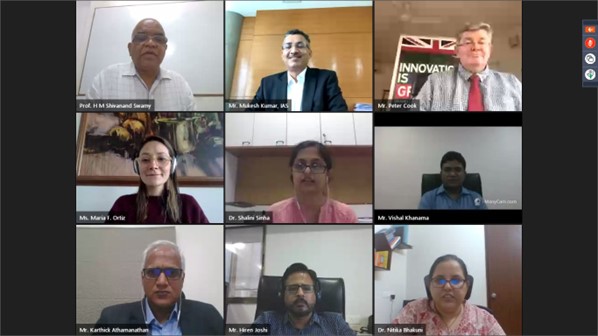
A virtual workshop on electrification of public transport in Ahmedabad was conducted on 24 June 2021. The aim was to draw lessons from the international experience on electrification of public transport and facilitate the discussions on Ahmedabad’s public transport electrification strategy. Besides city stakeholders, the event was attended by individuals from 23 organizations across 11 cities participated in the workshop. These included Ahmedabad Municipal Corporation (AMC), Ahmedabad Urban Development Authority (AUDA), Ahmedabad Janmarg Limited (AJL), Ahmedabad Municipal Transport Service (AMTS), Torrent (DisCom), representatives from public transport authorities of Bhubaneshwar, Chandigarh, Hubli-Dharward, Rajkot and Surat, as well as research organizations such as PwC, EY, UMTC, GIZ India and WRI India.
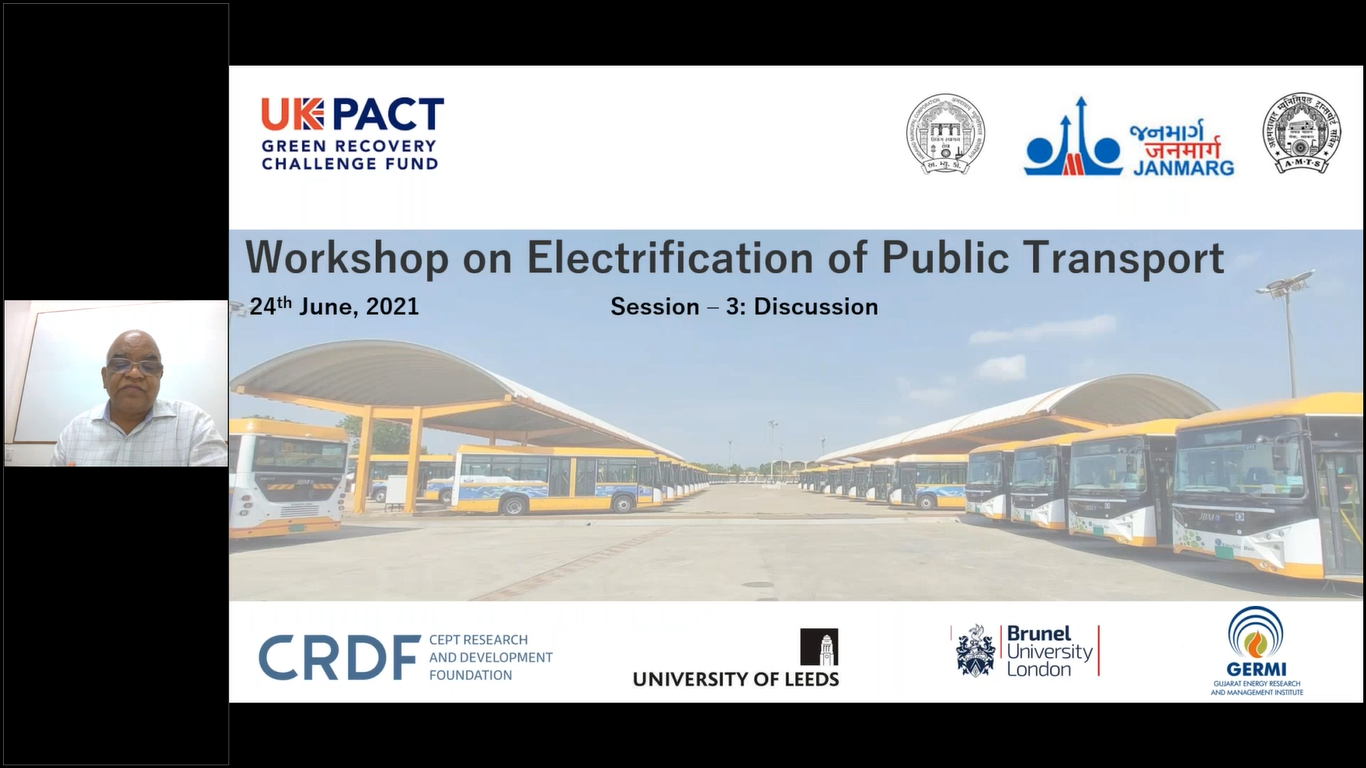
Prof. Shivanand Swamy addresses the participantes at Electrification of Public Transport in Ahmedabad Workshop
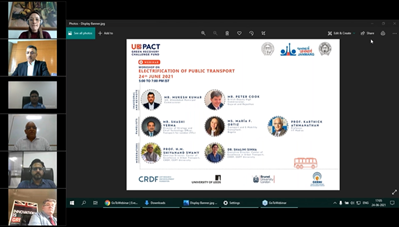
The event started with an introduction of the UK Pact project by Prof. H M Shivanand Swamy, Emeritus Director, Center of Excellence in Urban Transport, CRDF. The keynote address was delivered by Mr. Peter Cook, British Deputy High Commissioner, Gujarat and Rajasthan, who gave an overview of the UK PACT Green Recovery Challenge Fund program, and the global and local actions being undertaken to meet the challenge. The inaugural speech by Mr. Mukesh Kumar IAS, Municipal Commissioner, Ahmedabad Municipal Corporation, touched upon the evolution of public bus transportation in the city and highlighted the city’s aim to overcome every challenge that is emerging out of climate change actions.
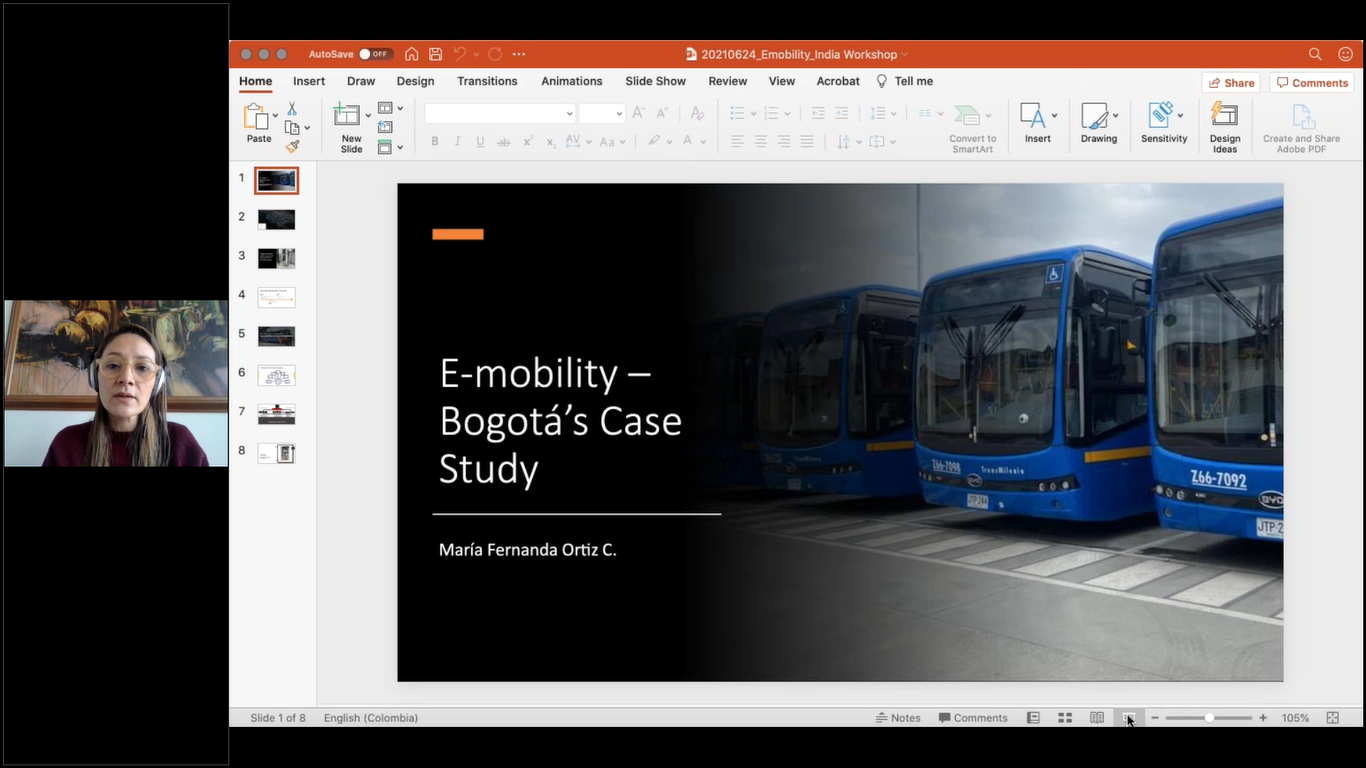
The opening session was followed by the presentations on international experience and learnings moderated by Dr. Shalini Sinha, Executive Director, Centre of Excellence in Urban Transport, CRDF. Firstly, Mr. Shashi Verma, the Director of Strategy and Chief Technology Officer at the Transport for London, presented the experience of public transport electrification in London. Second, Ms. Maria F. Ortiz, Transport and E-mobility Consultant for the city of Bogota, shared the case of electrification of the public bus in the city. Finally, Prof. Karthick Athmanathan, Professor at IIT Madras and Vice President at Ashok Leyland, presented a road map on the growth of electric bus technology over the years.
Ms. Maria F. Ortiz presenting Electric Mobility experience in Bogota
A panel discussion was chaired by Prof. Shivanand Swamy to initiate the exchange of views with the experts. The discussion questions were What should be the appropriate fuel mix? Which is the suitable charging technology? How can trade-offs between range, battery size, opportunity charging, and energy efficiency can be approached? What is the role of bus manufacturer? How contract period must be dealt in future strategy? This discussion also touched upon initial thoughts on formulating future strategy for the acquisition electric buses in Ahmedabad.
Panel Discussion chaired by Prof. Shivanand Swamy
The key outputs of the panel discussion included continuing with scaling up of electric buses, investigating options for opportunity charging and its impact on the economics; conducting market analysis to understand the available technologies; involvement of electric vehicle manufacturer in the provision of the services; and alignment of the contract period with the life cycle of the fleet and working with the manufacturer to understand the expected life of the bus and its battery.