.JPG)
.JPG)
.JPG)
.jpg)
.jpg)
.jpg)
.JPG)
.JPG)
From Earth to Inhabited Space: Life Cycle of Mud Plastering in the Tribal Agricultural Landscape of Jharkhand
Project details
The British Museum And Arcadia
2025
Research
CHC
Center for Heritage Conservation, CEPT Research and Development Foundation (CHC, CRDF) is the host organisation of the Endangered Material Knowledge Program 2025 Grant Project, From Earth to Inhabited Space: Life Cycle of Mud Plastering in the Tribal Agricultural Landscape of Jharkhand. CHC, CRDF has partnered with Tata Steel Foundation for the project. Dr. Gauri Bharat is the Principal Investigator of the grant project. Jayashree Bardhan and Ankita Toppo are the Co-investigators. The project is one of the 6 large grants awarded, of a total of 21 new projects of the EMKP 2025 cohort.
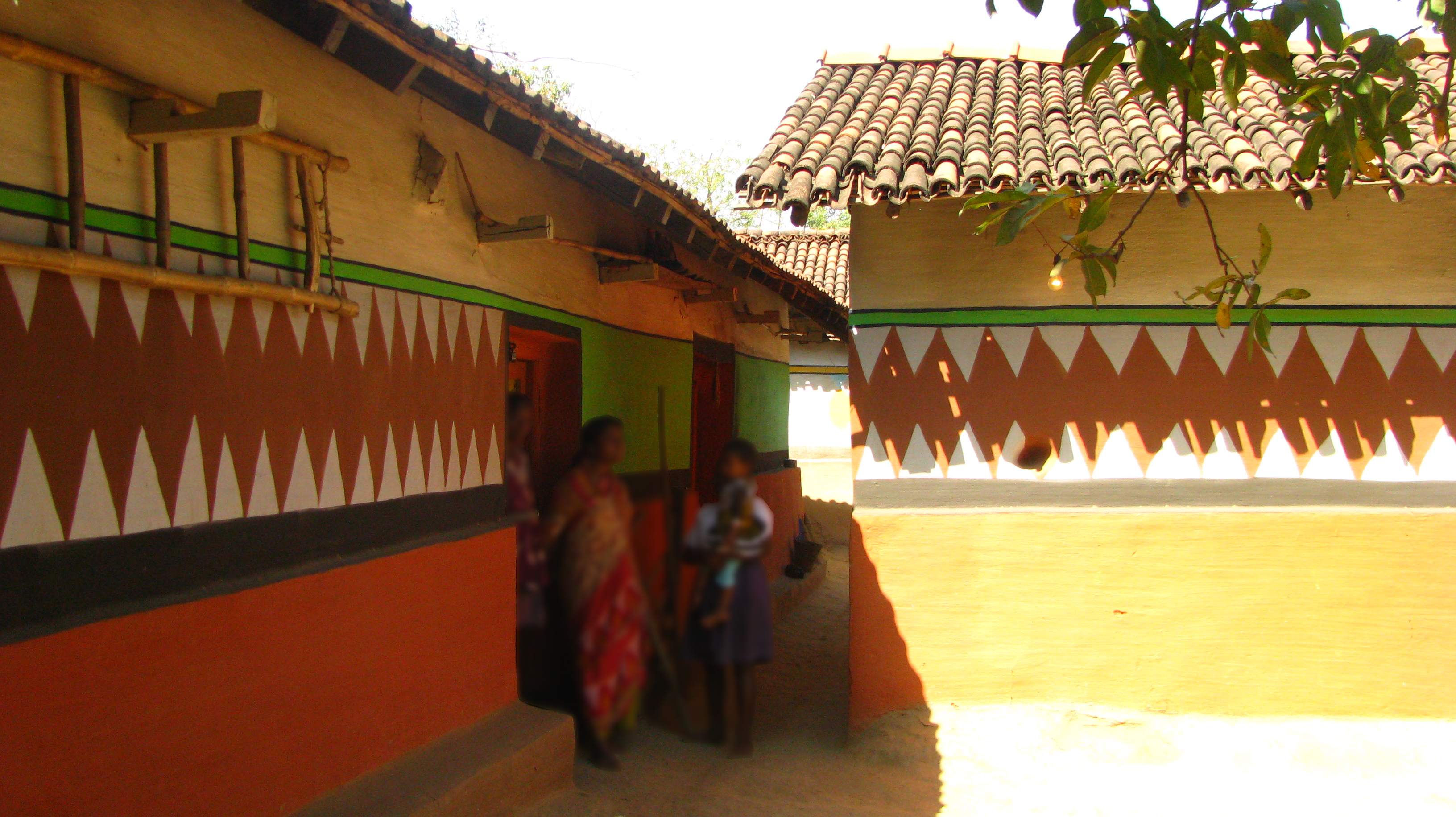
This project will document the endangered material knowledge system of ‘mud plastering’ in the tribal agricultural settlements in the Kolhan Division of Jharkhand in India. The documentation will focus on two tribes ‘Santhals and Hos’, who employ elaborate and distinct techniques and rituals of working with different types of naturally coloured clay and admixtures sourced from the surrounding landscape to plaster surfaces of lived spaces.
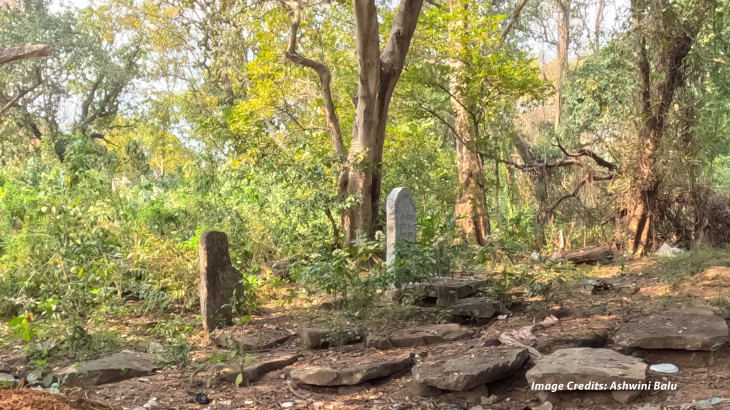
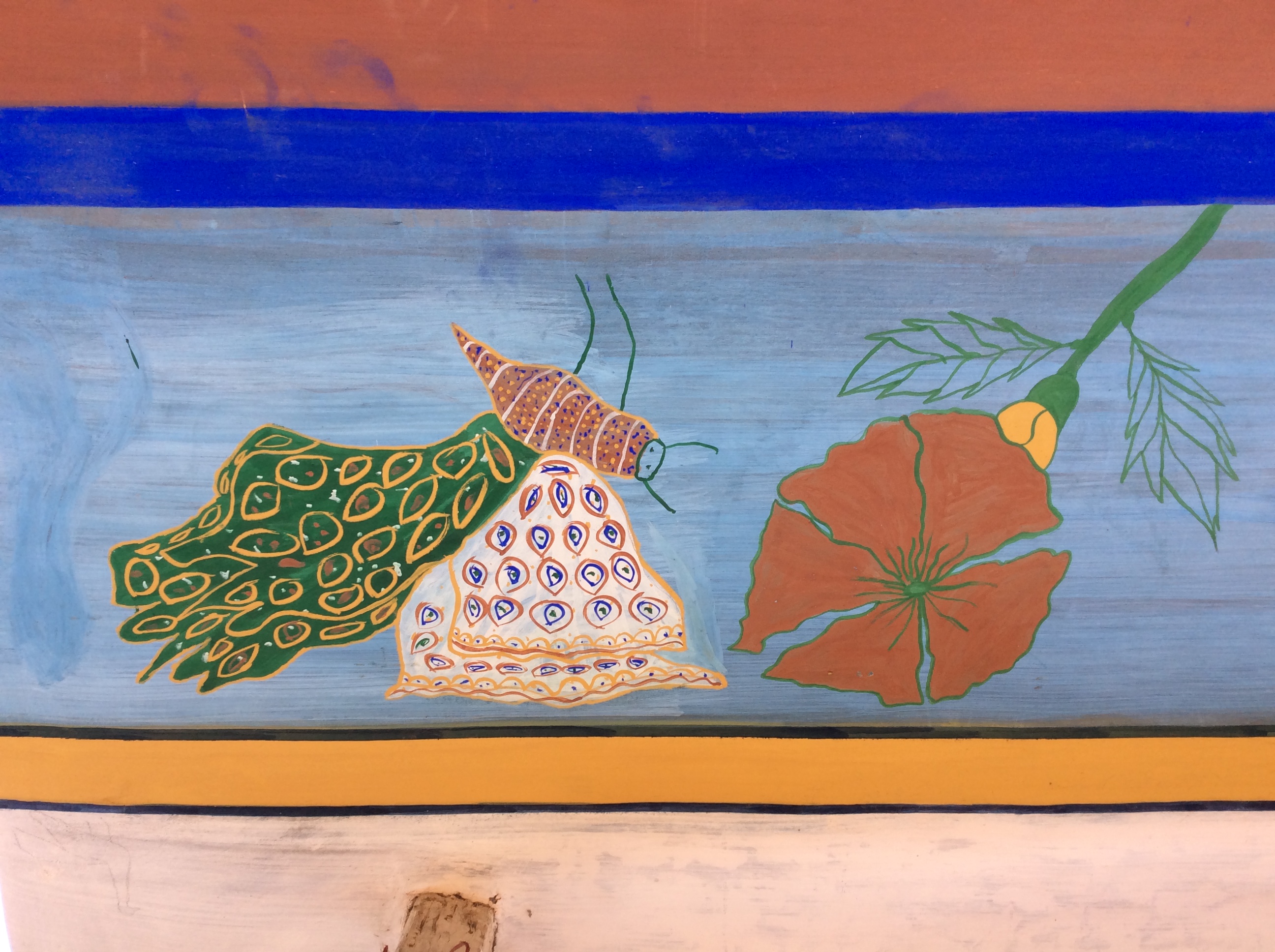
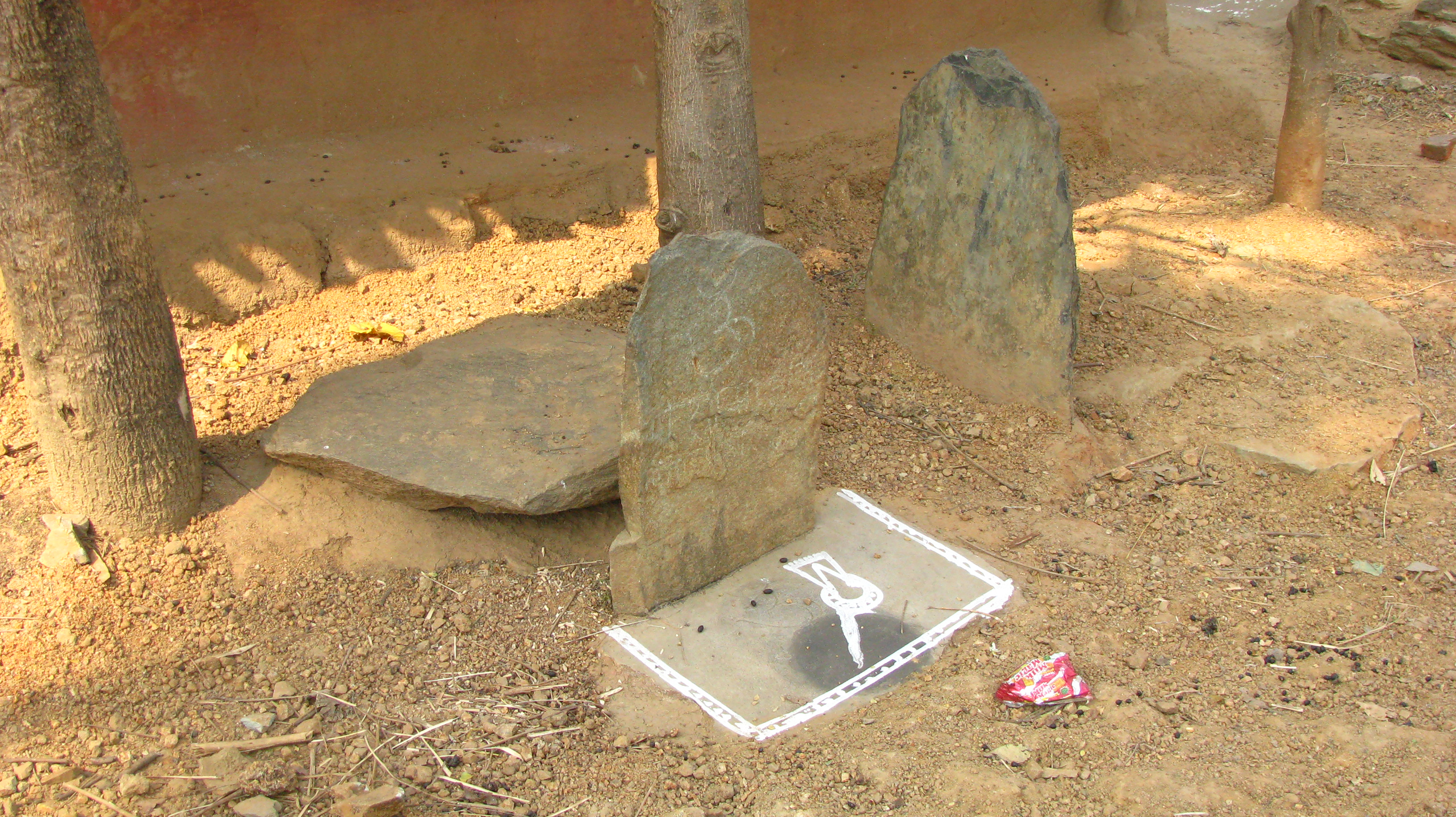
Owing to its geographical and geological characteristics, the Kolhan region has distinctly coloured clayey soils and admixtures, which has led to a very rich mud plastering culture in the region. Santhals and Hos are two numerically significant tribes in the Kolhan region of Jharkhand and there is a diverse range of mud-plastering techniques amongst these two tribal communities. While techniques of daily mud-plastering are practiced amongst most indigenous tribal communities in Kolhan, Santhals are best known for their art of elaborate wall and floor murals. Previous experiences of the project team have indicated that Hos of the region have diligently maintained mud hearths. Additionally, Ho and Santal festivals, and funerary rituals amongst Hos integrate mud-plastering practices of different spatial elements.
The project will document three types and cycles of mud plastering practices: 1) daily and weekly plastering of domestic spaces reflecting functional maintenance and ritual significance; 2). annual production of elaborate wall and floor murals; 3). plastering of sacred sites of the family or community symbolising ritual purification and renewal. These practices of mud plastering, though integral to indigenous life, are imperceptibly disappearing due to socio-economic and environmental pressures ranging from extractive mining, increasing population leading to land and resource constraints, and shifting livelihoods of village families. This is gradually transforming resource and labour networks, resulting in changes in the materials and aesthetics of plastering, but more fundamentally, in how the communities engage with the surrounding agricultural and forested landscape and produce their built environment. By documenting mud plastering, this project will record the interrelation between the material and spiritual worlds of the indigenous tribal communities.
The project seeks to record:
-
Attributes and cultural associations of mud-plastering;
-
Unacknowledged knowledge systems, resource networks and processes of negotiation with the landscape which are integral to the practice;
-
Changes introduced in the practice, not only in architectural surfaces, but involving a deeper change in how communities engage with mud and the material landscape.
The documentation will focus on practitioners, usually women, and other knowledge-holders, and their journeys through the entire process – material procurement, preparation, plastering, aesthetic considerations, symbolism, and variations.
Photo Credit: Gauri Bharat
More Projects from CHC